Commercial Exterior Painting: Weather, Materials & Longevity

Commercial exterior painting is about more than improving appearance. It plays a role in protecting buildings from the elements, supporting brand image, and reducing long-term maintenance needs. Unlike interior projects, exterior painting is strongly influenced by weather, surface conditions, and material selection. Each choice can affect how well the paint performs over time.
Business owners, property managers, and facility teams often face questions about timing, paint types, surface preparation, and durability expectations. While no project is exactly the same, understanding general principles can help you make more informed decisions.
This guide explores how weather conditions, materials, and planning influence the success and longevity of commercial exterior painting projects.
Key Takeaways
- Weather conditions affect drying, adhesion, and overall paint performance.
- Different surfaces require different types of paint and preparation.
- Proper surface preparation often matters as much as the paint itself.
- Paint quality and application methods can influence how long results last.
- Maintenance planning can help extend the life of an exterior paint job.
- Thoughtful timing can reduce delays and performance issues.
Why Commercial Exterior Painting Matters
Exterior paint serves both functional and visual purposes. It creates a first impression for customers, tenants, and visitors. At the same time, it helps protect building materials from moisture, sunlight, temperature changes, and everyday wear.
Over time, exposure to rain, wind, sun, and pollution can lead to fading, peeling, cracking, or staining. When paint begins to fail, underlying materials such as wood, metal, masonry, or siding may become more vulnerable to damage.
Regular painting and maintenance can help:
- Improve curb appeal
- Support brand consistency
- Reduce surface deterioration
- Identify early signs of building wear
- Maintain a professional appearance
Understanding Weather and Its Role in Painting
Weather is one of the most important factors in exterior painting. Temperature, humidity, wind, and precipitation all influence how paint applies, dries, and cures.
Temperature Guidelines
Most exterior paints are designed to work best within a certain temperature range, often between 50°F and 85°F. Painting outside this range can create challenges:
- Cold temperatures may slow drying and affect adhesion
- High heat can cause paint to dry too quickly, leading to uneven finishes
- Large temperature swings between day and night can affect curing
Some modern paints are formulated to tolerate cooler conditions, but it is still important to follow manufacturer recommendations.
Humidity and Moisture
Humidity affects how quickly moisture evaporates from paint. High humidity can slow drying and increase the risk of:
- Streaking
- Blistering
- Poor adhesion
Surfaces should also be dry before painting. Rain, dew, or condensation can interfere with bonding. Many painters allow at least 24 to 48 hours of dry weather before and after application when possible.
Wind Considerations
Wind can help paint dry faster, but strong winds can cause problems:
- Dust and debris may stick to wet paint
- Spray applications may drift
- Uneven drying can occur on large surfaces
Wind screens or adjusted schedules are sometimes used to reduce these issues.
Seasonal Planning
Different regions experience different seasonal challenges:
| Season | Common Challenges | Possible Benefits |
|---|---|---|
| Spring | Rain, fluctuating temperatures | Moderate temps, longer days |
| Summer | Heat, strong sun, storms | Faster drying in dry conditions |
| Fall | Cooler nights, early frost in some areas | Stable temps in many regions |
| Winter | Cold, snow, moisture | Limited outdoor painting |
Planning around typical weather patterns can reduce delays and improve results.
Surface Types and Material Considerations
Commercial buildings are made from a variety of materials. Each reacts differently to paint and weather exposure.
Common Exterior Surfaces
- Wood
- Brick and masonry
- Stucco
- Concrete
- Metal
- Vinyl or composite siding
Each surface type requires specific preparation and compatible paint.
Wood Surfaces
Wood is porous and expands and contracts with temperature and moisture changes. Common issues include cracking, peeling, and rot if not properly maintained.
Key considerations:
- Use primers designed for wood
- Repair or replace damaged boards
- Sand and clean before painting
- Select flexible paints that move with the wood
Masonry and Brick
Brick, concrete, and stone are durable but porous. They can trap moisture if painted incorrectly.
Important steps include:
- Allow new masonry to cure fully
- Use breathable masonry paints
- Clean and remove efflorescence
- Repair cracks before painting
Stucco
Stucco can develop hairline cracks over time. Paint can help protect it but must allow moisture to escape.
Recommended practices:
- Patch cracks before painting
- Use elastomeric or masonry coatings when appropriate
- Ensure surfaces are fully dry
Metal Surfaces
Metal is vulnerable to rust and corrosion if not protected.
Preparation usually includes:
- Removing rust
- Cleaning grease and dirt
- Using rust inhibiting primers
- Applying coatings designed for metal
Vinyl and Composite Siding
These materials are often low maintenance but can fade.
Key points:
- Clean thoroughly
- Use paints approved for vinyl when applicable
- Choose lighter colors to reduce heat absorption
Choosing the Right Paint for Longevity
Not all paints perform the same in outdoor environments. Choosing the right type can influence how long the finish lasts.
Paint Types
- Acrylic latex paints are commonly used for exteriors due to flexibility and durability
- Oil based paints are less common today but may still be used for certain surfaces
- Elastomeric coatings are used on masonry and stucco for crack bridging
Color and Sun Exposure
Dark colors absorb more heat, which can cause faster fading and surface stress. Lighter colors often reflect sunlight and may last longer in very sunny environments.
Color choice should balance branding needs with practical considerations.
Surface Preparation and Its Impact
Preparation often determines how long a paint job will last. Skipping or rushing this step can lead to early failure.
Typical Preparation Steps
- Power washing or cleaning
- Removing loose or peeling paint
- Repairing cracks and holes
- Sanding rough areas
- Applying primer where needed
Why Primer Matters
Primer:
- Improves adhesion
- Blocks stains
- Seals porous surfaces
- Helps paint color appear consistent
Different primers are designed for different materials, such as wood, metal, masonry, or previously painted surfaces.
Application Methods
How paint is applied also influences durability.
Common Methods
- Brush and roller
- Airless spray
- Combination methods
Each has advantages:
- Brushing and rolling allow better control and penetration
- Spraying is faster for large areas but may require back rolling
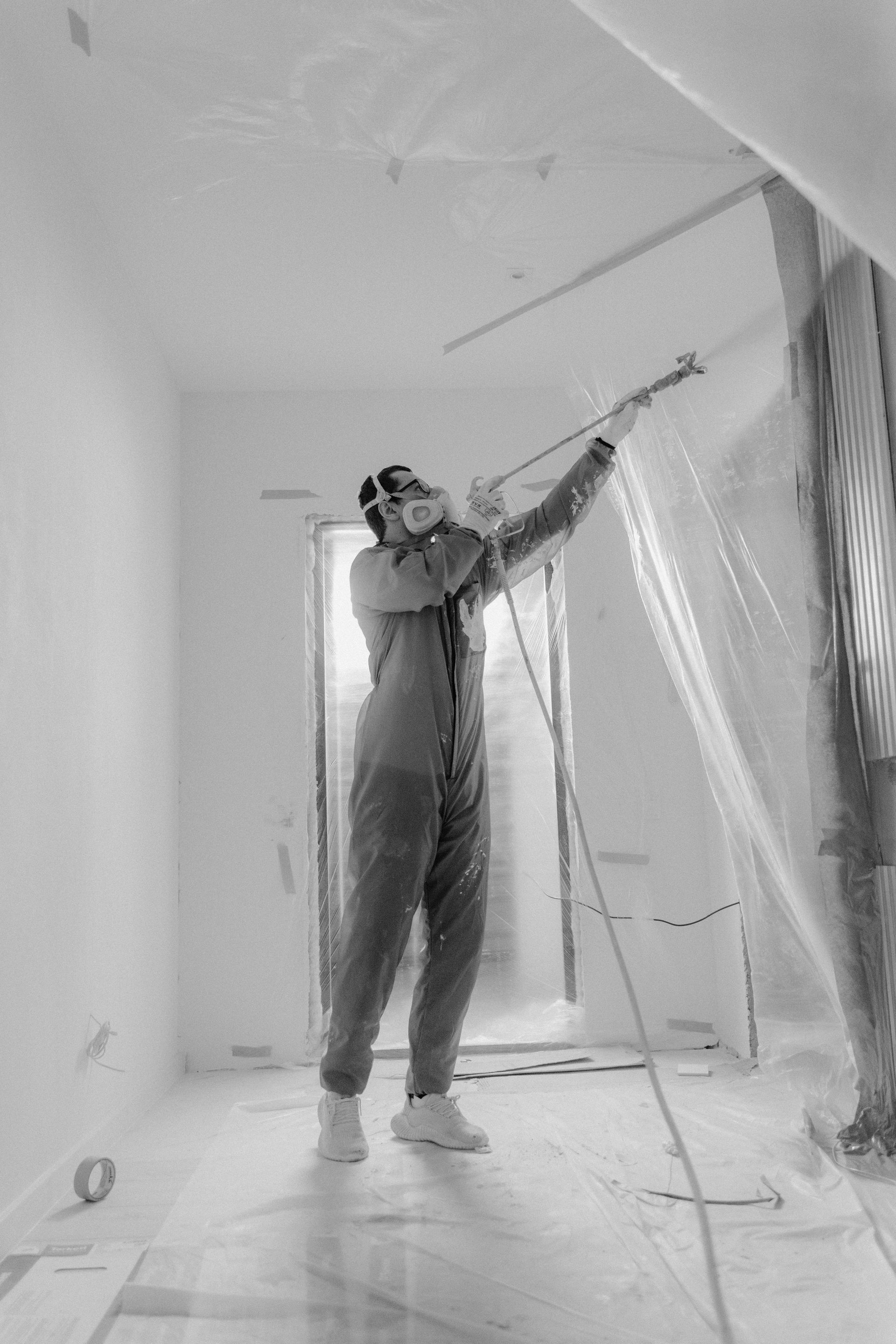
Skilled application helps ensure even coverage and proper thickness, both of which affect performance.
Maintenance and Longevity Planning
Even high quality paint will not last forever. Weather exposure, pollution, building movement, and daily wear all contribute to aging.
General Lifespan Ranges
While results vary, typical ranges might include:
- Wood siding: 5 to 7 years
- Masonry and stucco: 7 to 10 years
- Metal: 5 to 8 years
- Vinyl and composite: 6 to 10 years
Actual performance depends on climate, preparation, paint quality, and maintenance.
Ongoing Care
Simple steps can help extend paint life:
- Annual inspections
- Gentle washing to remove dirt and mildew
- Prompt repair of small cracks or chips
- Monitoring drainage and moisture issues
Environmental and Safety Considerations
Modern painting projects often consider environmental impact and safety.
Low VOC Paints
Low or zero VOC paints release fewer fumes and are more environmentally friendly. They are commonly used in commercial projects.
Lead and Older Buildings
Buildings constructed before 1978 may contain lead based paint. Special testing and safe removal practices may be required.
Worker and Public Safety
Commercial projects often involve:
- Barriers and signage
- Off hour work schedules
- Noise and dust control measures
Planning helps reduce disruption to tenants, employees, and visitors.
Budgeting and Project Planning
Cost depends on many factors, including:
- Building size and height
- Surface condition
- Type of paint and coatings
- Access needs like lifts or scaffolding
- Weather delays
Planning ahead can help manage budgets and timelines more effectively.
Questions to Consider
- What areas need painting now versus later?
- Are there known moisture or surface issues?
- What seasons are most reliable locally?
- How long can areas be closed or restricted?
Frequently Asked Questions
How long does a commercial exterior paint job usually last?
Longevity varies based on surface type, climate, preparation, and paint quality. Many projects last between 5 and 10 years with proper care.
Can exterior painting be done in cooler weather?
Some paints are designed for cooler temperatures, but most require a minimum temperature to perform well. Always follow manufacturer guidelines.
Is pressure washing always necessary before painting?
Most warranties exclude damage caused by water intrusion, leaks, or building issues.
Does color choice really affect how long paint lasts?
Yes, darker colors absorb more heat and may fade faster in strong sunlight. Lighter colors often handle sun exposure better.
How can I reduce disruption during a commercial painting project?
Planning work in phases, using off hours when possible, and clear communication can help minimize impact on daily operations.
Final Thoughts
Commercial exterior painting involves more than choosing a color and applying paint. Weather conditions, surface materials, preparation methods, and maintenance planning all influence how well a project performs over time. Understanding these factors can help property owners and managers make practical decisions that support both appearance and durability.
While no single approach fits every building, careful planning and realistic expectations can lead to better long-term results.
Speaking with experienced professionals and planning around weather and surface needs can help you move forward with confidence and clarity.
Reference:
https://righttouchpainting.com/transform-your-space-interior-painting-ideas-beyond-just-walls/
Share this article