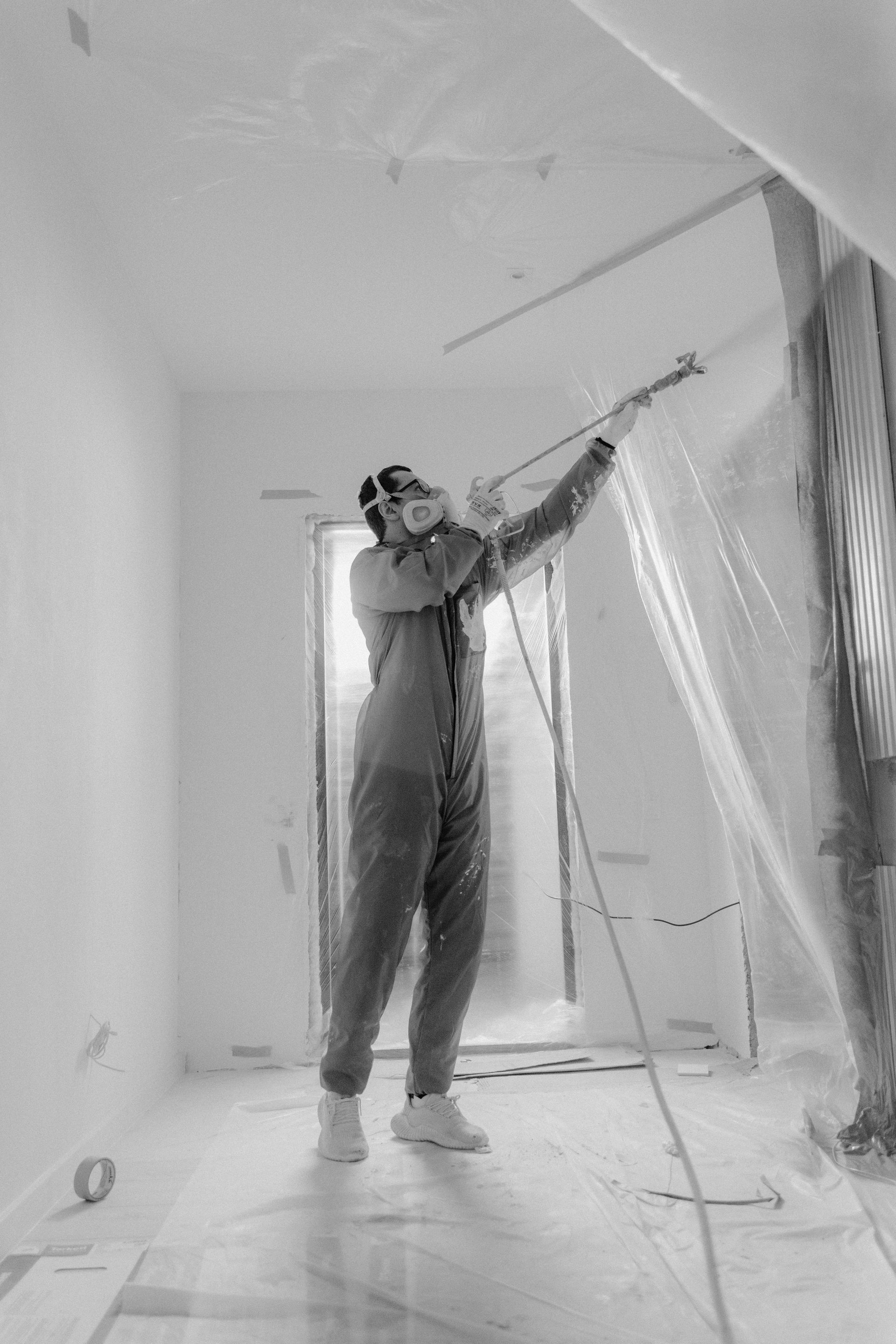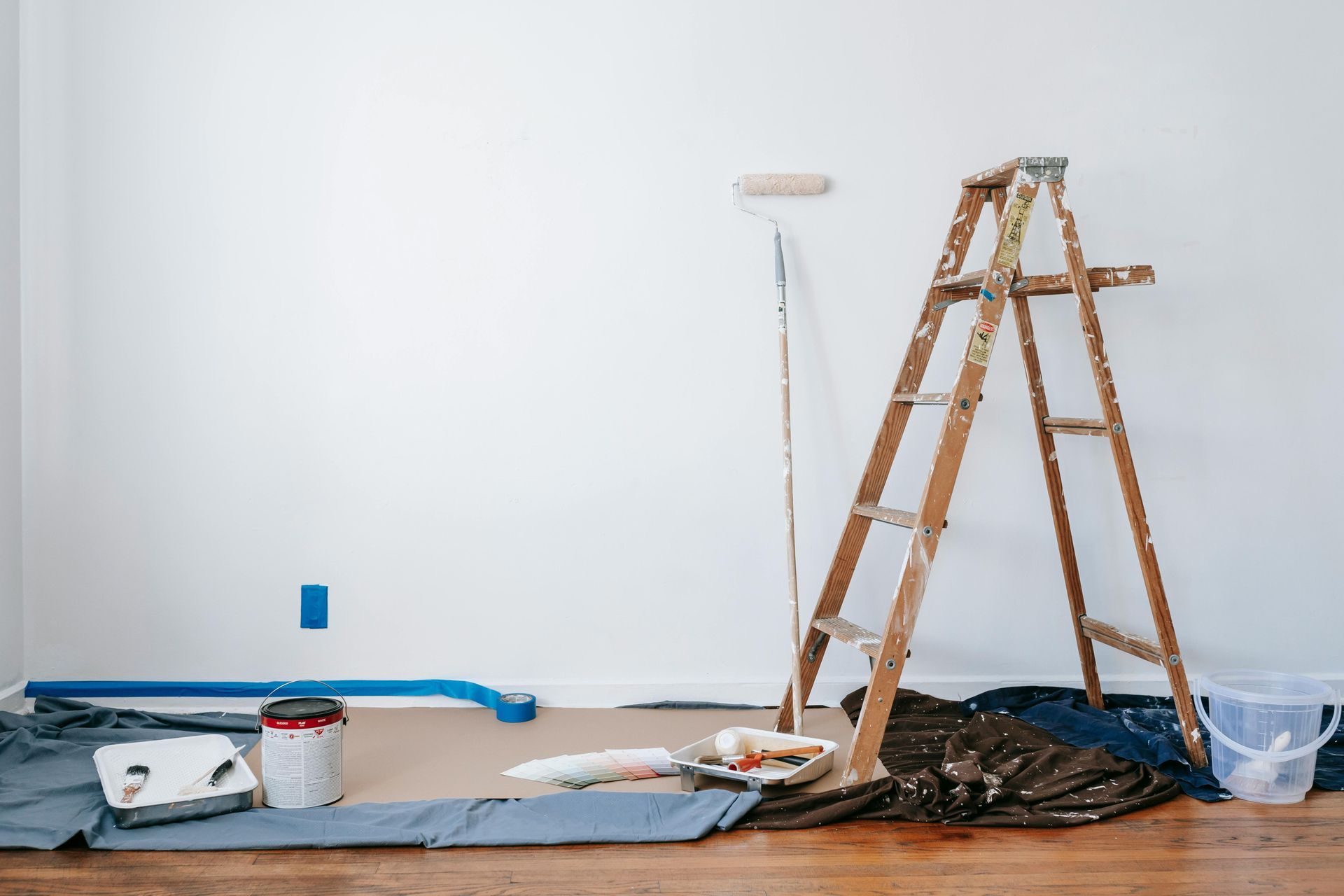
Home Interior Painting Ideas to Transform Your Space

A fresh coat of paint can completely transform your home, creating an inviting and vibrant environment. Whether you are looking to modernize your living room, refresh your kitchen, or add character to a bedroom, home
interior painting provides a cost-effective way to breathe new life into your space. With so many colors, textures, and finishes available, planning a
painting project carefully ensures the results reflect your style while enhancing your home’s overall ambiance.
Key Takeaways
- Choosing the right color palette sets the tone for your entire home.
- Accent walls can add depth and personality to a room.
- Paint finishes impact durability, maintenance, and aesthetic appeal.
- Combining paint with lighting and décor maximizes design impact.
- Preparation and proper application ensure a professional-looking result.
- Experimenting with trends and textures can make your home stand out.
Choosing the Right Colors for Each Room
Color selection is one of the most important decisions when transforming your interior. Different rooms serve different purposes, so the palette should reflect both function and mood.
Living Room
- Warm neutrals like beige, taupe, and soft gray create a cozy atmosphere.
- Bold shades such as navy or forest green can add a sophisticated, dramatic touch.
Kitchen
- Bright colors like whites, soft yellows, or light blues make kitchens feel clean and spacious.
- Consider semi-gloss finishes for easy cleaning and durability.
Bedrooms
- Calm and soothing colors such as soft blues, lavenders, or muted greens promote relaxation.
- Avoid overly bright shades in sleeping areas unless balanced with neutral accents.
Bathrooms
- Soft, light colors enhance natural light and make small bathrooms feel larger.
- Complement paint with moisture-resistant finishes to prevent peeling or mold growth.
Accent Walls and Creative Designs
Accent walls are a simple yet effective way to add personality without overwhelming the space.
- Choose a wall that naturally draws attention, like behind a bed or a living room fireplace.
- Consider contrasting colors or textures, such as bold paint paired with wood panels or wallpaper.
- Geometric patterns, stripes, or murals can also make a striking focal point.
Tip: Start with one accent wall and gradually introduce patterns or colors as you gain confidence in your design choices.
Paint Finishes and Their Impact
Selecting the right paint finish affects both aesthetics and durability.
| Finish | Best Use | Benefits | Considerations |
|---|---|---|---|
| Matte / Flat | Ceilings, low-traffic walls | Hides imperfections | Harder to clean |
| Eggshell | Living rooms, bedrooms | Subtle sheen, easy to clean | Slightly less durable than satin |
| Satin | Kitchens, bathrooms | Moisture resistant, durable | Can highlight wall imperfections |
| Semi-gloss | Trim, doors, cabinets | Durable, easy to wipe | Reflective, shows imperfections |
| Gloss | Cabinets, furniture | High shine, easy to clean | Very reflective, shows flaws |
Combining Paint with Lighting and Decor
Paint colors appear differently under various lighting conditions. Consider both natural and artificial light when planning your project.
- Natural light enhances bright colors, while dim lighting can make colors appear darker.
- Pair paint with your existing furniture, rugs, and decorative elements to create cohesion.
- Accent lighting, wall sconces, or lamps can emphasize painted areas and textures.
Trends in Home Interior Painting
Keeping up with design trends helps maintain a modern, inviting home. Some current trends include:
- Two-tone walls: Combines complementary colors for added depth.
- Neutral palettes: Timeless shades like greys, whites, and tans create versatile backdrops.
- Textured finishes: Venetian plaster, sponge, or rag rolling adds subtle dimension.
- Bold ceilings: Painting ceilings in rich colors creates unexpected visual interest.
- Contrasting trims: Dark trims against light walls add architectural character.
Preparation and Proper Application
A well-prepared surface is essential for a professional finish.
- Clean walls to remove dirt, dust, and grease.
- Repair cracks, holes, and imperfections with spackle or filler.
- Apply primer when needed to ensure paint adhesion and color accuracy.
- Use painter’s tape for clean edges and prevent drips.
- Choose high-quality brushes and rollers for smooth application.
Tip: Multiple thin coats often produce better results than one thick coat.
Maintaining Your Painted Surfaces
Proper maintenance prolongs the life of your painted walls.
- Dust and wipe walls regularly to prevent buildup.
- Clean stains promptly using mild soap and water.
- Touch up scuffs and chips as needed to maintain a fresh look.
- Avoid excessive moisture on walls without moisture-resistant finishes.
DIY vs. Professional Painting: Pros and Cons
Deciding whether to tackle a home interior painting project yourself or hire a professional is an important step in planning your renovation. Each option has advantages and drawbacks, and understanding them can help homeowners make informed choices that fit their budget, skill level, and desired outcome.
Pros of DIY Painting
- Cost Savings: One of the biggest benefits of painting your walls yourself is saving on labor costs. Hiring a professional painter can be a significant portion of your project budget, often ranging from hundreds to thousands of dollars depending on the size of your home and complexity of the job.
- Creative Control: When you do the painting yourself, you have complete control over color choices, techniques, and finishing touches. This allows for a more personal, customized result that reflects your style and preferences.
- Flexible Schedule: DIY painting allows you to work at your own pace. You can spread the project over several days or weekends, adjusting to your personal schedule without coordinating with a professional team.
- Sense of Accomplishment: Completing a painting project yourself can be rewarding. Homeowners often feel a sense of pride in seeing the transformation of their space achieved through their own effort.
Cons of DIY Painting
- Time-Consuming: Painting a room or entire home takes significant time, especially when factoring in preparation, priming, multiple coats, and clean-up. For busy homeowners, this can be a challenge.
- Skill Requirements: Achieving a smooth, even finish requires proper technique. Mistakes such as streaking, paint drips, or uneven coverage are common for inexperienced painters, which can impact the overall look of your home.
- Equipment and Supplies: DIY projects require purchasing or renting quality brushes, rollers, drop cloths, painter’s tape, ladders, and other supplies. Low-quality tools can make the project more difficult and affect results.
- Limited Expertise on Surfaces and Prep Work: Professionals are trained to handle different wall materials, repair imperfections, and properly prep surfaces for paint adhesion. DIY painters may overlook crucial steps, leading to peeling, cracking, or uneven finish over time.
Pros of Hiring a Professional
- Expertise and Quality Results: Professional painters bring experience, skill, and techniques that produce a polished, high-quality finish. They know how to handle difficult surfaces, tricky corners, and hard-to-reach areas.
- Efficiency: Professionals can complete projects faster than most DIYers, especially for large or multi-room jobs. They work as a team and have the tools and workflow to reduce downtime.
- Proper Surface Preparation: Prep work is often the most critical part of painting. Professionals handle patching, sanding, priming, and applying paint correctly to ensure long-lasting results.
- Warranty or Guarantees: Many professional painting companies offer warranties or guarantees on their work. This provides peace of mind if issues such as chipping or peeling occur after completion.
- Safety Considerations: Professionals are trained to safely handle ladders, scaffolding, and potentially hazardous materials. This reduces the risk of injury or accidents, which is especially important in multi-story homes or areas with high ceilings.
Cons of Hiring a Professional
- Higher Cost: Hiring a professional painter is more expensive than doing it yourself. Costs include labor, materials, and sometimes travel fees, which may be a significant consideration for homeowners on a tight budget.
- Scheduling Constraints: Professional painters often have busy schedules, which may require homeowners to plan in advance and adjust to the contractor’s availability.
- Less Direct Control: While most professionals work closely with homeowners, some decisions may be guided by the painter’s recommendations, leaving less room for spontaneous experimentation or last-minute changes.
Frequently Asked Questions
How do I choose the right paint color for my home?
Consider room purpose, lighting, existing furniture, and personal preferences. Test small swatches before committing.
Can I paint over wallpaper?
It depends on the type of wallpaper. Some require removal for a smooth finish, while others may be primed and painted over.
What is the best way to prep walls before painting?
Clean, repair cracks or holes, sand rough spots, and apply primer for optimal adhesion.
How long does it take for paint to dry completely?
Most latex paints dry to the touch in 1-2 hours and fully cure in 2-4 weeks. Drying times vary by finish, temperature, and humidity.
Should I hire a professional or do it myself?
DIY is feasible for small rooms, but professionals can ensure a smoother finish, proper prep, and faster completion for larger projects.
Final Thoughts
Home
interior painting is a powerful way to transform your space, express your style, and increase overall home value. By selecting the right colors, finishes, and design elements, preparing surfaces properly, and incorporating current trends, you can achieve stunning results. Remember to consider lighting, décor, and long-term maintenance when planning your project. Whether tackling it yourself or
hiring a professional, thoughtful planning ensures a safe, efficient, and visually appealing painting experience.
Ready to refresh your home? Contact our team of interior painting professionals!
Reference:
https://righttouchpainting.com/transform-your-space-interior-painting-ideas-beyond-just-walls/
Share this article