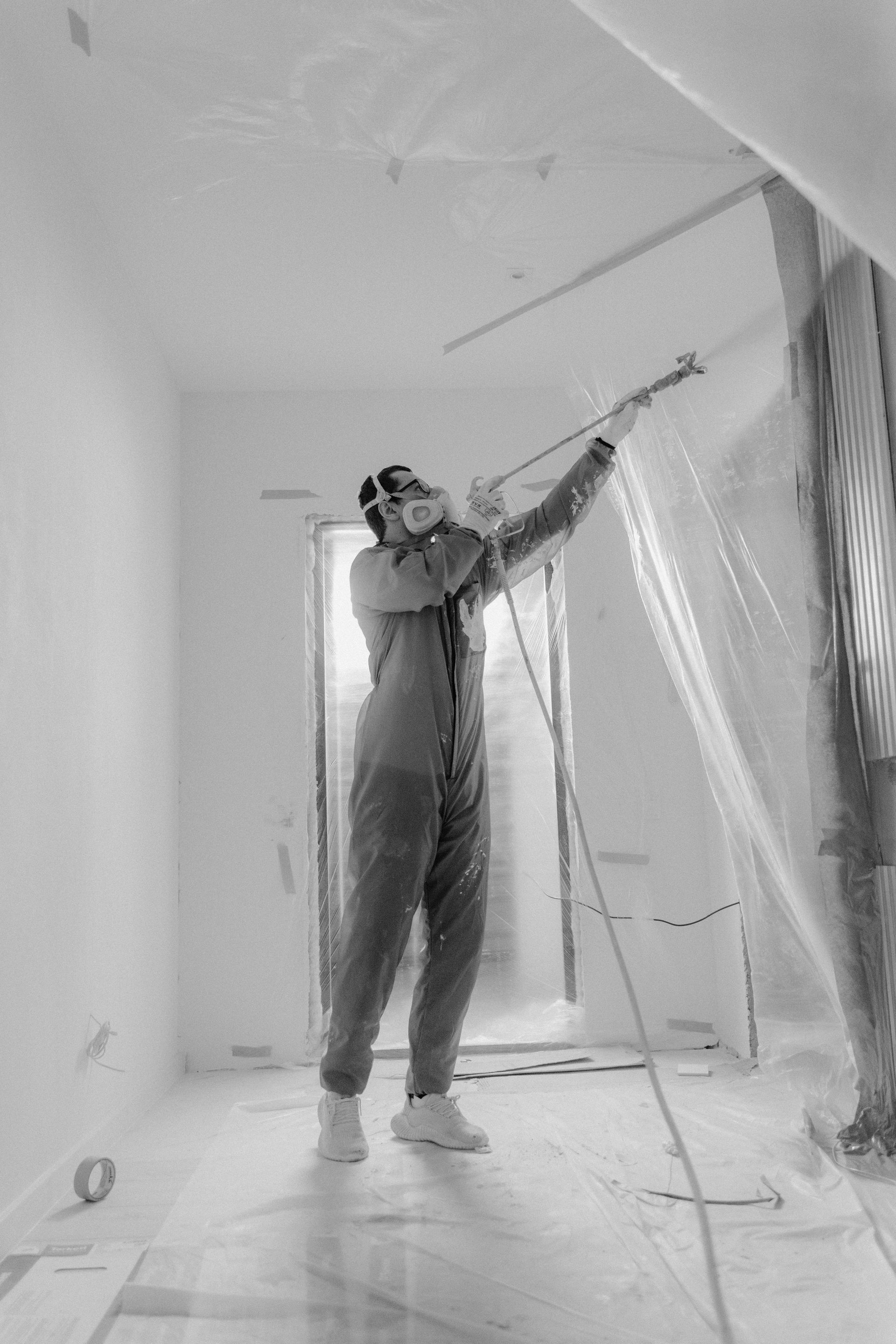
From Walls to Ceilings: Complete Painting and Remodeling Tips

Updating your home through
painting and remodeling can transform your space, making it more functional, stylish, and comfortable. Whether you are refreshing a single room or undertaking
a full-scale renovation, understanding the right techniques, materials, and planning strategies ensures a successful outcome. From walls to ceilings, attention to detail plays a key role in achieving a polished, long-lasting finish.
Key Takeaways
- Proper preparation is critical for smooth painting and remodeling results.
- Choosing the right paint type and finish impacts durability and aesthetics.
- Tools and equipment make a difference in efficiency and precision.
- DIY projects save money but may require more time and skill.
- Professional help is advisable for complex remodeling tasks.
- Maintenance strategies prolong the life of your painted and remodeled surfaces.
Planning Your Painting and Remodeling Project
Before picking up a brush or hammer, develop a clear plan. Consider the purpose of each room, your budget, and timeline. Identify areas requiring repair, such as cracked walls, water stains, or damaged ceilings. Create a priority list, allowing you to focus on critical tasks first.
- Budget Considerations: Allocate funds for materials, tools, labor, and unexpected repairs.
- Timeline Planning: Establish realistic start and completion dates, accounting for drying times and sequencing tasks.
- Room Functionality: Consider how each space will be used and choose colors, materials, and layouts accordingly.
Wall Painting Techniques for a Professional Finish
Walls are often the focal point of a room. Achieving a smooth, even finish requires attention to preparation, paint selection, and application techniques.
Preparation Tips
- Clean surfaces to remove dust and grease.
- Patch holes and cracks using spackle or joint compound.
- Sand rough spots for smooth application.
- Apply painter’s tape to edges for sharp lines.
Paint Selection
- Matte or Flat Finish: Hides imperfections; ideal for low-traffic areas.
- Eggshell or Satin Finish: Durable and easier to clean; suitable for living rooms and bedrooms.
- Semi-Gloss or Gloss: Water-resistant; works well in kitchens, bathrooms, and trim.
Ceiling Painting Tips
Ceilings often get overlooked but play a major role in the overall look of a room. Painting ceilings requires specific techniques for even coverage.
- Use a roller with an extension pole for consistent strokes.
- Apply primer to hide stains or previous colors.
- Consider lighter colors to make the room feel larger and brighter.
- Paint in small sections to prevent lap marks.
Color Schemes and Interior Design Considerations
Choosing colors involves more than personal preference. Colors influence mood, perception of space, and overall aesthetic.
- Warm Colors: Reds, oranges, and yellows create energy and intimacy.
- Cool Colors: Blues and greens promote calmness and spaciousness.
- Neutral Colors: Whites, grays, and beiges provide versatility and elegance.
- Accent Walls: Highlight features with bold colors or textures for visual interest.
Tools and Equipment for Efficient Painting
Using the right tools improves speed, quality, and comfort. Essential painting equipment includes:
| Tool | Purpose | Tips |
|---|---|---|
| Paint rollers | Cover large wall areas quickly | Choose the correct nap length for surface texture |
| Brushes | Edges, corners, and trim | Use angled brushes for precision |
| Painter’s tape | Protect edges and moldings | Press firmly to prevent bleed |
| Drop cloths | Protect floors and furniture | Reusable canvas cloths are durable |
| Extension poles | Reach high ceilings | Reduces ladder use and fatigue |
| Sanding blocks | Smooth surfaces | Essential for repairing imperfections |
DIY vs. Professional Remodeling
Renovations range from simple painting to structural changes. Understanding the pros and cons of DIY and professional help is crucial.
DIY Advantages:
- Cost savings on labor.
- Full creative control.
- Flexible schedule.
DIY Challenges:
- Time-consuming.
- Requires skill and proper tools.
- Risk of mistakes leading to costly fixes.
Professional Advantages:
- Expertise ensures quality and safety.
- Efficient completion, especially for large projects.
- Access to specialized equipment.
Professional Considerations:
- Higher upfront cost.
- Scheduling constraints.
- Less direct control over small details.
Maintaining Painted and Remodeled Spaces
Proper maintenance prolongs the beauty and function of your investment.
- Cleaning: Use mild cleaners for walls; avoid harsh chemicals that degrade paint.
- Touch-Ups: Keep leftover paint for minor repairs and touch-ups.
- Inspection: Regularly check for peeling, cracks, or water damage.
- Humidity Control: Proper ventilation prevents mold and mildew in bathrooms and kitchens.
Trending Remodeling and Painting Techniques
Modern remodeling and painting trends enhance style and functionality:
- Textured Walls: Add depth and visual interest with plaster or faux finishes.
- Two-Tone Walls: Create dimension using complementary colors.
- Eco-Friendly Paints: Low-VOC and natural paints improve indoor air quality.
- Accent Ceilings: Bold colors or patterns draw attention upward.
- Open Layouts: Combined painting strategies unify spaces in open floor plans.
Time-Saving Tips for Large Projects
When tackling large-scale painting and remodeling projects, efficiency is key to keeping the timeline manageable and minimizing disruption in your home. Planning ahead is the first step. Start by creating a detailed project schedule that breaks down each room or area into specific tasks, such as prepping walls, priming, painting, and finishing touches. This ensures you or your team can move seamlessly from one phase to the next without unnecessary delays.
Grouping similar tasks together can also save time. For instance, complete all wall repairs or sanding in one session across multiple rooms before switching to painting. Using high-quality tools, like professional-grade rollers, brushes, and sprayers, allows for faster coverage and more even finishes. Additionally, labeling paint cans and tools for each room reduces confusion and avoids repeated trips back to your supply area.
For multi-floor homes, consider staging supplies and equipment on each level to minimize constant hauling up and down stairs. Hiring a team, assigning specific rooms or floors to individual painters helps maintain a steady workflow and prevents bottlenecks. Finally, take advantage of drying times strategically: while one area dries, prep or work in another section to keep the project moving efficiently. With proper planning and execution, even extensive projects can be completed smoothly without unnecessary stress.
Safety Considerations During Painting and Remodeling
Safety is an essential part of any painting and remodeling project. Many accidents can be prevented with the right precautions and awareness. One of the most important considerations is ventilation. Proper airflow helps reduce exposure to fumes from paint, solvents, or adhesives, which can be harmful if inhaled over extended periods. Open windows, use exhaust fans, and consider wearing a mask or respirator in enclosed areas with strong odors or chemical use.
Protective gear is equally important. Gloves protect your hands from chemicals and abrasive surfaces, while safety glasses shield your eyes from splashes or debris. Long sleeves, pants, and closed-toe shoes help reduce skin contact with potentially irritating materials.
Ladder safety is another critical area. Always ensure ladders are on stable surfaces, never overreach, and maintain three points of contact when climbing. For higher ceilings or multi-story projects, scaffolding may be a safer option than tall ladders. Additionally, clear the work area of tripping hazards, cords, or tools that could lead to slips or falls.
Finally, always read product labels and follow manufacturer instructions for paints, primers, and adhesives. Keeping a first aid kit nearby and being aware of emergency contacts adds another layer of preparedness. By prioritizing safety, you protect both yourself and others, ensuring the project progresses smoothly without injuries or accidents.
Common Painting Mistakes to Avoid
Even experienced DIYers and professional painters can make errors that affect the final look of a project. Being aware of common pitfalls can save time, money, and frustration. One frequent mistake is skipping proper surface preparation. Failing to clean, sand, or patch walls before painting can lead to uneven finishes, peeling, or visible imperfections. Dirt, grease, and old paint residues prevent new paint from adhering properly, so thorough prep is essential for long-lasting results.
Another common error is using the wrong type of paint or finish. Each room has unique requirements based on moisture, lighting, and traffic levels. For example, bathrooms and kitchens benefit from mildew-resistant and washable paints, while living areas might do well with matte or eggshell finishes. Choosing the wrong finish can result in premature wear or difficulty cleaning surfaces.
Applying too many coats too quickly is another pitfall. Overlapping wet layers without allowing adequate drying time can create streaks, bubbles, or uneven texture. Following recommended drying times and applying thin, even coats ensures a smooth, professional finish.
Neglecting proper tools and techniques is also common. Using worn brushes or low-quality rollers can leave streaks, brush marks, or uneven coverage. Techniques like cutting in corners before rolling and maintaining a wet edge prevent visible lines and patches.
Finally, ignoring safety and ventilation can cause both immediate and long-term issues. Paint fumes can be harmful, and working in poorly lit or cluttered spaces increases the risk of accidents. Proper planning, high-quality materials, and attention to detail help avoid these mistakes and ensure your painting project achieves the polished, lasting results you want.
Frequently Asked Questions
How often should I repaint interior walls?
Every 5-7 years on average, or sooner for high-traffic areas.
Do I need to prime walls before painting?
Primer is recommended for new drywall, repairs, or drastic color changes.
Can I mix DIY and professional work in a project?
Yes, many homeowners paint walls themselves while hiring professionals for structural or detailed tasks.
What is the best order for painting a room?
Ceilings first, walls second, trim and accents last.
How do I prevent paint from peeling or cracking?
Proper surface prep, high-quality paint, and climate-appropriate application are key.
Final Thoughts
Painting and remodeling can significantly enhance your home’s beauty, functionality, and value. Thoughtful planning, proper tools, and informed decision-making between DIY and
professional services ensure lasting results. From walls to ceilings, attention to detail and maintenance keep your space looking fresh for years.
Ready to refresh your home? Contact our team of interior painting professionals!
Reference:
https://righttouchpainting.com/transform-your-space-interior-painting-ideas-beyond-just-walls/
Share this article