How to Combine Painting and Flooring for a Home Makeover

A home makeover is one of the most rewarding projects a homeowner can take on, and two of the most impactful updates come from painting and flooring. Together, these elements set the visual tone of your home, influence how spaces feel, and even affect functionality. Walls and floors cover the largest surfaces in a room, so coordinating them ensures harmony and balance.
Choosing the right combination of flooring materials and wall colors allows you to create a cohesive design that complements your furniture, lighting, and lifestyle. Many homeowners find that investing in
professional home painting
and expert flooring installation not only saves time but also ensures long-lasting, high-quality results. By approaching
interior painting
and flooring as interconnected elements, you can achieve a polished, modern, and inviting home without the need for a complete renovation.
Key Takeaways
- Start with a clear plan:
Visualizing how your chosen paint colors and flooring materials interact helps prevent design clashes. Consider the room’s function, natural light, and existing furniture when making choices.
- Flooring should come first:
Installing floors before painting allows for cleaner edges, reduces the risk of scuffs, and ensures your wall colors complement the finished flooring.
- Balance colors and textures:
Lighter walls can brighten a room with dark floors, while textured or patterned flooring works best with more subdued wall tones.
- Durability is key:
High-traffic areas such as kitchens, hallways, and entryways need flooring that can withstand wear and paint finishes that are easy to clean.
- Professional help pays off:
Hiring
home painting services
and flooring experts ensures precise finishes, proper material selection, and long-term durability.
- Budget strategically:
Understanding the
cost of flooring installation, the
cost to replace floors, and the price of professional painting services helps you plan efficiently without overspending.
Why Painting and Flooring Should Be Coordinated
When homeowners treat painting and flooring as separate projects, the results can often feel disjointed. Coordinating these two elements has a surprisingly large effect on a room’s appearance, function, and perceived quality.
For example, a room with dark wood flooring and walls painted in cool, pale tones can feel balanced and modern. Conversely, pairing the same flooring with a warm, orange-toned paint may make the space feel heavy or visually crowded. Coordinating residential painting with flooring ensures that each choice supports the other.
Benefits of coordination include:
- Improved ambiance:
The combination of wall color and flooring type affects how a room feels. Warm walls with rich floors create cozy spaces, while light walls with pale flooring make rooms appear larger and more open.
- Enhanced flow between rooms:
Especially in
open-concept layouts, matching undertones in flooring and paint across rooms prevents visual breaks and creates a harmonious transition.
- Easier maintenance:
Choosing durable flooring and washable paint ensures your home remains beautiful with minimal upkeep.
When you plan your painting and flooring together, the result is intentional, cohesive, and visually appealing.
Planning Your Home Makeover
Evaluate Your Space
Before selecting paint or flooring, take a careful inventory of your rooms. Factors to consider include:
- Lighting:
Natural and artificial light drastically affect how paint colors and flooring appear. A soft gray wall may look warm and inviting under sunlight but cooler and more subdued under LED lighting.
- Traffic patterns:
High-traffic areas require resilient flooring materials like tile or vinyl and washable paint finishes that can withstand frequent cleaning.
- Existing décor:
Take stock of furniture, fixtures, and permanent design elements like cabinetry and countertops, as these influence your color and material choices.
Define Your Style
Your personal style should guide all choices:
- Modern:
Neutral walls and sleek flooring like vinyl planks or laminate create a clean, contemporary look. Metallic accents, minimalist furniture, and simple décor complete the style.
- Traditional:
Warm walls and classic hardwood floors provide a timeless feel. Rich textures and patterned rugs can enhance the cozy, classic aesthetic.
- Transitional:
Combines modern and traditional elements, such as soft walls paired with textured flooring or subtle accent walls. This style allows flexibility while maintaining elegance.
Set Your Budget
Budgeting carefully ensures your renovation is successful and stress-free:
- Flooring costs:
Include the
cost of
flooring installation
and potential replacement costs when selecting materials.
- Painting costs:
Factor in supplies, paint quality, and labor if hiring
professional home painting
services.
- Project coordination:
Combining painting and flooring into a single project can reduce labor costs and shorten timelines, making your makeover more efficient.
Choosing the Right Flooring
Flooring sets the foundation for your entire home makeover. Your choice of material affects durability, aesthetics, and comfort.
| Flooring Type | Pros | Cons | Cost |
|---|---|---|---|
| Hardwood | Timeless, durable, adds value | Sensitive to moisture, high upfront cost | High |
| Laminate | Affordable, easy to maintain | Shorter lifespan, can look less premium | Low cost flooring installation |
| Vinyl | Water-resistant, versatile | Less luxurious appearance | Low to mid-range |
| Tile | Extremely durable, easy to clean | Cold underfoot, slippery | Mid to high |
| Carpet | Soft, warm, noise reduction | Stains easily, shorter lifespan | Low to mid-range |
Practical Flooring Tips
- Match room function:
Bathrooms and kitchens need waterproof materials; living rooms and bedrooms can use hardwood, carpet, or laminate.
- Prioritize durability:
High-traffic rooms benefit from scratch-resistant and easy-to-clean flooring.
- Consider style and flow:
Open-concept homes can mix flooring types to define spaces, such as tile in the kitchen and hardwood in the living room.
- Sample before buying:
Always place flooring samples in the room to see how they look under different lighting conditions.
Trends like waterproof laminate, luxury vinyl planks, and eco-friendly materials are gaining popularity for both practicality and style. These options combine durability with aesthetics, making them ideal for busy households.
Selecting Complementary Paint Colors
After choosing flooring, your paint colors should harmonize with the material. This ensures that your walls and floors work together to create a balanced aesthetic.
- Neutral floors:
Provide the flexibility to experiment with bold or muted wall colors.
- Dark wood floors:
Pair well with soft or light-colored walls to create contrast and maintain openness.
- Patterned floors:
Require subtle wall tones to avoid visual clutter.
Interior Painting Finishes
Choosing the right finish affects both the look and practicality of your walls:
- Matte:
Hides imperfections, suitable for low-traffic areas like bedrooms.
- Eggshell:
Slight sheen, durable for living rooms and dining spaces.
- Satin:
Easy to clean, ideal for kitchens, bathrooms, and hallways.
- Semi-gloss/Gloss:
Reflective finish, best for trim, doors, and high-traffic areas.
Color Psychology
- Living rooms:
Warm shades encourage relaxation and conversation.
- Bedrooms:
Soft, calming colors promote restful sleep.
- Kitchens:
Bright or vibrant shades boost energy and visibility.
- Bathrooms:
Cool, clean colors create a sense of hygiene and openness.
Additional tips include coordinating ceiling and trim colors, testing swatches in natural and artificial light, and using accent walls to introduce personality without overwhelming the space.
Coordinating Painting and Flooring by Room
Living Room
- Medium-toned hardwood with neutral walls provides balance.
- Rugs can tie together flooring and wall colors while adding texture.
Kitchen
- Moisture-resistant flooring like vinyl or tile is practical.
- Light wall colors enhance brightness, especially in small or enclosed kitchens.
Bedroom
- Soft, calming wall colors complement carpets or hardwood floors.
- Avoid overly dark tones in small bedrooms to maintain an open, airy feel.
Bathroom
- Waterproof flooring prevents damage from moisture.
- Light-colored paint amplifies space and brightness.
Hallways and Entryways
- Durable flooring withstands high foot traffic.
- Neutral wall tones visually widen narrow spaces.
Home Office
- Low-maintenance flooring with calming wall colors encourages focus.
- Accent walls, décor, or furniture add personality without distraction.
Tips for a Seamless Makeover
- Test before committing:
Swatches of paint and flooring in your home environment help prevent regret.
- Sequence work properly:
Flooring first, then painting, reduces damage and allows cleaner edges.
- Professional guidance:
Using
home painting services
and expert flooring installers ensures long-lasting, precise results.
- Consistency is key:
Repeating tones and textures across rooms creates flow.
- Protect surfaces:
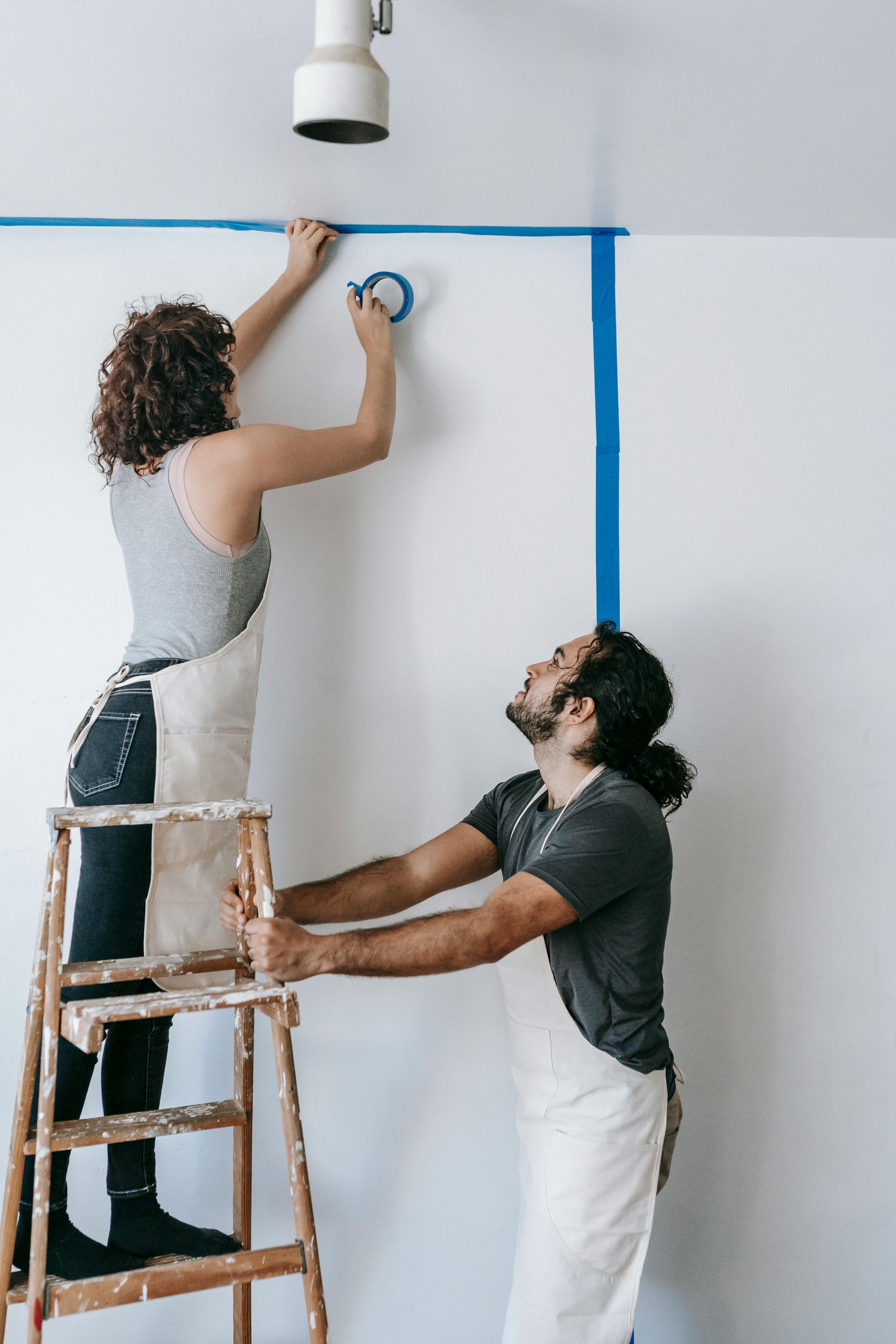
Drop cloths and painter’s tape prevent accidents.
- Maintenance planning:
Durable materials reduce future upkeep.
- DIY vs. professional:
While small rooms may be DIY-friendly, large or complex projects benefit from expert skills.
Cost Considerations
Budgeting requires a realistic understanding of materials and labor:
| Item | Low Cost | Mid-Range | High Cost |
|---|---|---|---|
| Flooring Installation | Laminate, vinyl | Carpet, vinyl plank | Hardwood, tile |
| Painting | DIY interior painting | Professional interior painting | Full residential painting services |
| Replacement Costs | Laminate removal | Carpet or vinyl replacement | Hardwood or tile replacement |
Tips for managing costs include combining projects to reduce labor, choosing low-cost flooring installation options like laminate or vinyl for budget-friendly updates, and investing in professional painting to ensure durability.
Frequently Asked Questions
Should I paint before or after installing new flooring?
Installing flooring first prevents paint drips and scuffs. Touch-ups after installation are easier than repainting damaged walls.
How do I choose paint colors that match my floors?
Consider the undertones in your flooring and test colors in natural light. Complementary or contrasting shades create balance.
Can I handle painting and flooring myself?
DIY is feasible for small rooms, but professional services ensure long-lasting, flawless results. Experts also guide material selection and proper installation.
What is the average cost to replace floors?
Costs vary depending on room size, materials, and preparation. Laminate or vinyl is affordable; hardwood and tile are higher-end options.
5. How long does professional painting and flooring take?
Most projects take a few days to two weeks. Proper planning and sequencing reduce delays.
Final Thoughts
Coordinating
painting and flooring dramatically transforms the look and feel of your home. Thoughtful planning, careful color and material selection, and expert guidance in
residential painting and flooring installation result in a polished, durable, and inviting space. Even small updates can improve functionality, refresh interiors, and enhance property value. With the right strategy, homeowners can achieve a stylish, harmonious, and practical makeover without a full-scale renovation.
Transform your home today with our expert painting and flooring services. Schedule your professional home makeover now!
Reference:
https://www.thespruce.com/open-floor-plan-ideas-8602960
Share this article