Professional Kitchen Cabinet Painting: What You Need to Know

Kitchen cabinets are a focal point in your cooking space, influencing everything from visual appeal to overall functionality. When cabinets start to look faded, outdated, or worn, many Atlanta homeowners assume that replacement is the only solution. However, professional kitchen cabinet painting offers a cost-effective alternative that dramatically improves appearance without the financial strain of a full renovation. With the right preparation, materials, and application techniques, painted cabinets can look brand new and last for many years.
This detailed guide explains everything homeowners need to know about professional kitchen cabinet painting, including cost factors, preparation methods, contractor selection, paint types, maintenance, and long-term expectations. Whether you want a subtle refresh or a complete color transformation, understanding the process helps you make an informed and confident decision about your kitchen cabinet revamp.
Key Takeaways
- Professional kitchen cabinet painting costs significantly less than replacement and still delivers impressive results
- Surface preparation and high-quality materials determine long-term durability
- Pricing varies by kitchen size, cabinet material, current condition, and location
- Most projects take about 3 to 5 days from start to finish
- Reputable painters offer warranties and detailed workmanship guarantees
- Properly maintained, painted cabinets can last 10 to 15 years
Why Choose Professional Cabinet Painting
Homeowners often debate whether to tackle cabinet painting on their own or hire a professional. While DIY painting may seem cost-effective up front, cabinets present unique challenges that require skill and specialized tools. Professional painters understand how different cabinet materials respond to sanding, priming, and coating. They also know how to avoid common pitfalls like streaking, peeling, uneven finishes, and premature wear.
Professional painting contractors offer the following benefits that DIY projects simply cannot provide.
Superior Workmanship
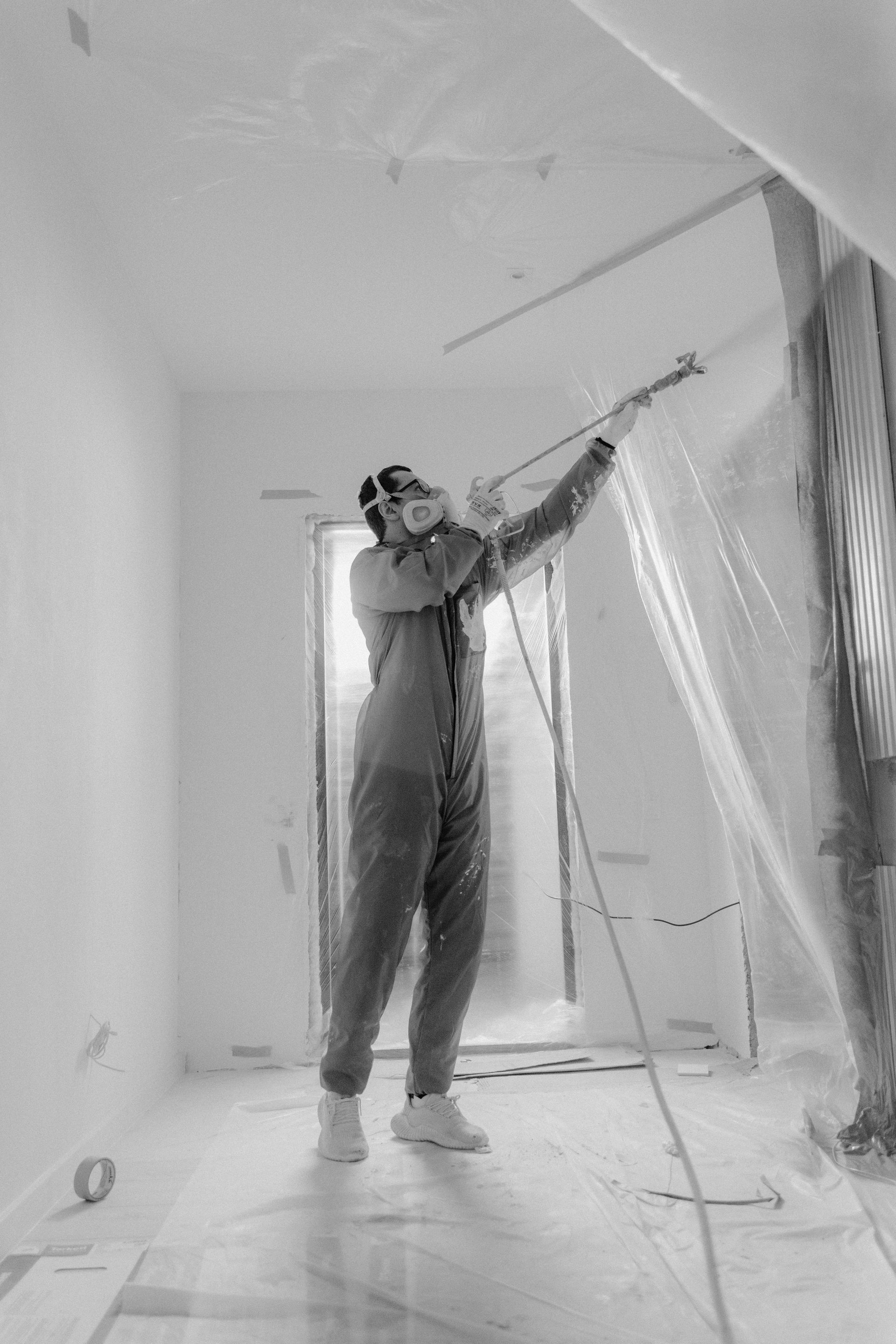
Cabinets need a flawlessly smooth finish. Professionals use advanced spray equipment to achieve a factory-level surface that shows no brush or roller marks. They also apply multiple thin coats with proper curing time between applications.
Consistency Across All Cabinets
Matching color, sheen, and texture across dozens of doors, drawers, and frames requires precision. Professional painters follow strict processes to ensure every component looks uniform.
Time Savings
A DIY project can easily stretch over several weekends or even months. Professional painters complete the project efficiently, minimizing disruption to your daily routine.
Long-Term Durability
Because professionals use commercial-grade primers, paints, and prep methods, the results hold up far longer under daily kitchen use.
Expert Surface Preparation Techniques
The success of a cabinet painting project lies in surface preparation. Cabinets accumulate years of grease, cooking residue, fingerprints, and cleaning product buildup. These contaminants can prevent primer and paint from bonding properly.
Professional painters follow a multi-step preparation process that ensures a durable, long-lasting finish.
Deep Cleaning and Degreasing
Cabinets are first wiped down with industrial cleaning agents that remove grease and residues more effectively than household cleaners. This step is essential because even small amounts of oil can cause paint failure later.
Hardware Removal and Labeling
Door handles, hinges, and drawer pulls are removed and stored. Each cabinet door and drawer front is labeled so reinstallation is seamless.
Sanding and Surface Repair
Professionals sand the cabinet surfaces thoroughly to remove the existing sheen and create micro grooves that help the primer bond securely. They also repair dents, scratches, and imperfections using professional fillers.
Masking and Protection
Countertops, floors, appliances, and backsplashes are protected using professional masking systems. This prevents overspray, drips, and accidental damage.
This preparation process ensures your new finish adheres beautifully and withstands years of use.
Professional Equipment and Materials
One of the biggest advantages of hiring professionals is access to high-quality tools and materials. Unlike consumer-grade products, professional equipment produces a smoother, more durable finish.
Common Professional Tools Include:
- HVLP spray systems for ultra-fine paint application
- Commercial spray booths that eliminate dust and contaminants
- High-adhesion primers designed for wood, laminate, or MDF
- Durable cabinet-grade paints formulated to resist moisture, scratches, and stains
- Precision masking tools for clean, sharp edges and full protection
These tools are expensive and often impractical for one-time-use homeowners to purchase, which is why professional services offer excellent value.
Understanding Cabinet Painting Costs
The cost of painting kitchen cabinets varies significantly. On average, most homeowners spend far less compared to full replacement, which can exceed five figures. Understanding cost factors helps you set a realistic budget and compare quotes from contractors.
Key Factors That Influence Pricing
1. Kitchen Size and Cabinet Count
More doors, drawers, and panels mean more labor and materials. Small kitchens may have 10 to 15 doors, while large layouts can have over 30.
2. Material and Door Style
Wood, MDF, and laminate each require specific prep. Raised panels or detailed moldings take more time to prep and paint.
3. Existing Condition
Cabinets that are damaged, previously painted, or heavily worn need additional repair work.
4. Location
Urban areas typically have higher labor costs. Regional demand also affects pricing.
5. Paint and Finish Selection
Higher-end paints cost more up front but last longer and resist wear better.
General Pricing Methods
| Method | Typical Cost | Best For |
|---|---|---|
| Per Door | $75 to $200 | Standard cabinet layouts |
| Linear Foot | $100 to $300 | Custom layouts or varied heights |
| Flat Project Rate | $3,000 to $12,000 | Complete kitchen projects |
Regional Pricing Trends
- Northeast: Highest average costs
- Southeast: Moderate and competitive
- Midwest: Affordable, stable pricing
- Western States: Varies widely by city
Seasonality also matters. Spring and summer often see higher demand and pricing, while fall and winter may offer better deals.
The Professional Cabinet Painting Process
A successful cabinet painting project follows a structured workflow. Each step builds on the previous one, ensuring a clean, consistent, and long-lasting finish.
1. Initial Consultation and Evaluation
The contractor assesses cabinet material, layout, and condition. They identify any repairs needed and explain the steps involved.
2. Removal of Doors and Hardware
Doors, drawers, and hardware are removed, labeled, and taken to a controlled workspace or spray booth.
3. Preparation and Cleaning
Surfaces are cleaned thoroughly, then sanded to remove the existing finish and create proper texture for adhesion.
4. Priming
A bonding or high-adhesion primer is applied. This step blocks stains, seals the surface, and ensures the paint bonds securely.
5. Painting
Multiple coats of premium paint are sprayed, allowing proper dry time between each layer. This builds a smooth, durable finish.
6. Quality Inspection
Contractors inspect each coat for consistency and correct any imperfections before applying the next layer.
7. Reinstallation
Once fully cured, all doors and hardware are reinstalled. Adjustments are made so everything hangs straight and functions properly.
This meticulous process ensures your cabinets look refreshed and perform well for years.
Paint Selection and Color Considerations
Choosing the right paint type and color is one of the most exciting and impactful parts of the project. Cabinet paint must be strong enough to handle constant use, moisture, and cleaning.
Types of Cabinet Paint
Latex Paint
Easy to apply, low odor, and quick drying. Modern formulations offer good durability.
Oil-Based Paint
Excellent durability and smoothness, but takes longer to dry and has a stronger odor.
Hybrid Enamel
A popular choice that combines durability with easier cleanup.
Specialty Cabinet Coatings
These advanced coatings are engineered for high-traffic kitchens and offer superior performance.
Finish Options
- Satin: Smooth with subtle sheen
- Semi Gloss: Highly durable and easy to clean
- High Gloss: Bold, ultra reflective, but shows imperfections
Choosing the Right Color
Neutral tones like white, cream, gray, and soft beige offer timeless appeal. They pair well with many countertop and backsplash styles. Bold colors can create dramatic effects, but may limit future design flexibility.
Professionals often provide color samples or digital previews to help visualize what your new cabinet would look like.
Choosing the Right Professional Painting Service
Not all painters specialize in cabinets. Choosing the right contractor ensures a smooth experience and excellent results.
What to Look For
- Specialization in cabinet painting
- Before and after photos of previous projects
- Clear warranty terms
- Detailed, written estimates
- Strong customer reviews
- Transparency about materials and processes
Getting Accurate Quotes
Avoid contractors who quote without seeing your kitchen in person. A thorough evaluation is necessary to deliver accurate pricing. Detailed estimates should list materials, labor, prep requirements, and any additional fees.
Maintenance and Longevity
Professionally painted cabinets can last well over a decade with proper care.
Daily Care Tips
- Clean with mild soap and warm water
- Avoid abrasive sponges
- Wipe spills promptly
- Use microfiber cloths for routine cleaning
Managing Environmental Factors
- Use exhaust fans to reduce moisture
- Keep cabinet surfaces dry
- Avoid placing heat-producing appliances too close to cabinets
Touch Ups
Most painters offer a small touch-up kit after the project. Use it to repair minor chips or scuffs over time.
Frequently Asked Questions
How long does professional kitchen cabinet painting take?
Most projects take 3–5 days, depending on kitchen size and complexity. According to professional painters, this includes removal, preparation, painting, and reinstallation, with proper drying time for each coat to ensure durability.
What factors most influence the cost of professional cabinet painting?
Cost depends on cabinet quantity, material type, condition, and location. Premium paints, intricate designs, and additional services like hardware replacement or repairs can also increase total costs.
Can all types of kitchen cabinets be professionally painted?
Yes, wood, MDF, and laminate cabinets can be painted successfully with proper surface preparation. Skilled contractors adjust sanding, priming, and paint application methods to suit each material.
How should I prepare my kitchen for professional cabinet painting?
Clear countertops and remove items from cabinets to help painters work efficiently. Professionals handle cabinet removal, workspace setup, and protection of floors and appliances.
What warranty should I expect from a professional cabinet painting service?
Reputable contractors typically provide 2–5 year warranties covering both workmanship and paint durability. Actual warranty terms vary, so check your contract carefully.
Final Thoughts
Professional kitchen cabinet painting offers an excellent way to refresh your kitchen without the cost or inconvenience of full replacement. With expert prep work, premium materials, and skilled application, painted cabinets deliver impressive beauty and long lasting performance. By understanding the process, costs, and maintenance requirements, homeowners can make confident decisions and enjoy a stylish, revitalized kitchen for years to come.
Give your kitchen a fresh, lasting look! Schedule your professional cabinet painting service now!
Reference:
https://www.wagner-group.com/en/do-it-yourself/guide/what-is-hvlp/
Share this article